A force built around land
The Army provides forces organized for sustained operations on land. Its operational formations include battalions, brigades, divisions, and larger headquarters. These labels describe different organizational levels, but the name alone does not reveal everything a unit can do. Its assigned mission, personnel, equipment, and supporting relationships matter just as much. A useful introduction to any formation therefore begins with its purpose rather than its size.
The institution behind the mission
The Army also has an institutional side that recruits, trains, equips, and supports the operational force. Schools develop individual skills and professional knowledge. Installations provide places to prepare and deploy. Industrial and logistics organizations help equipment reach units and remain usable. The active Army, Army Reserve, and Army National Guard contribute within this wider structure, although their service arrangements and responsibilities differ.
Reading Army coverage well
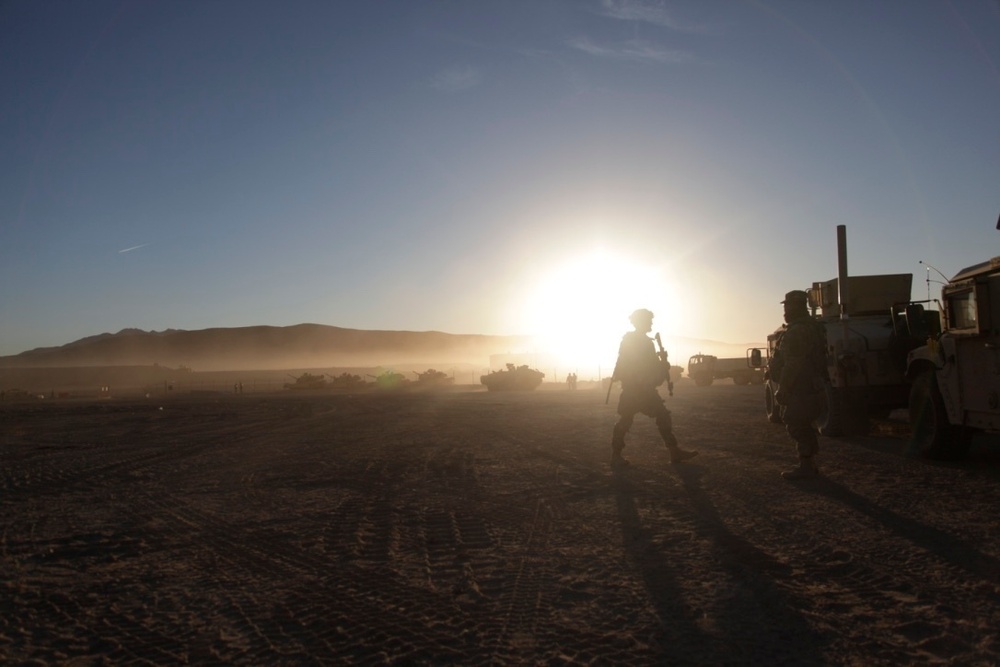
When reading about an exercise or deployment, ask what the formation is practicing and which other organizations make that activity possible. A photograph of vehicles crossing difficult terrain may also represent months of work by mechanics, transportation specialists, instructors, and planners. Look for those connections in the accompanying reporting. This approach gives civilian readers a fuller picture of landpower: not a collection of isolated machines, but a coordinated organization whose effectiveness depends on preparation, people, and continuing support. It also helps distinguish a demonstration of one skill from evidence about an entire force.