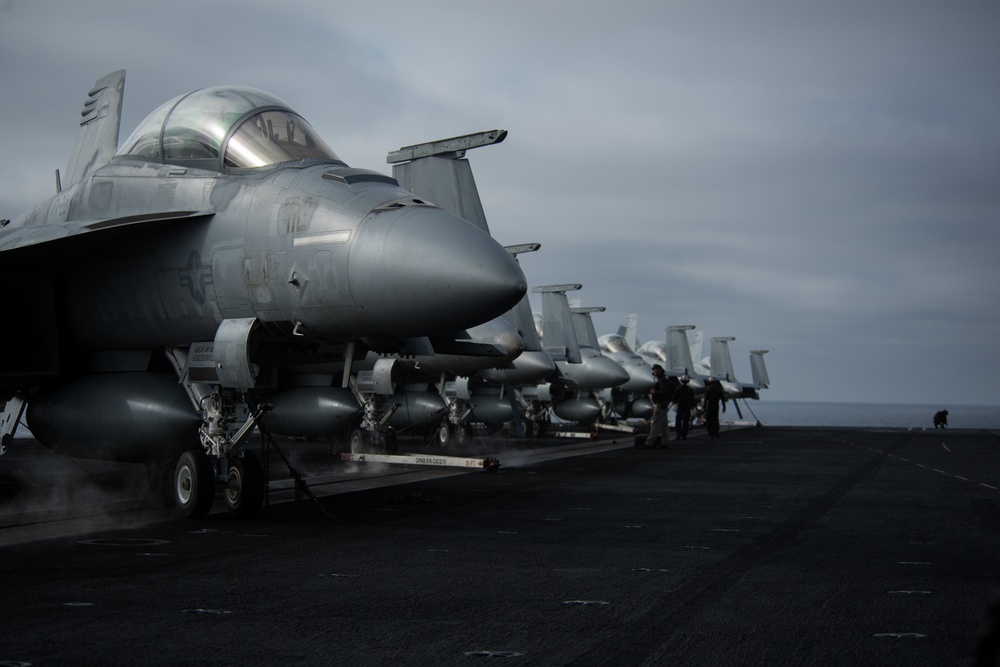
The purpose of the platform
An aircraft carrier supports aircraft operations at sea. Its value lies in combining the mobility of a ship with an embarked air wing and the people and systems needed to sustain flying. The Navy describes carrier roles that include operating forward, supporting maritime security, and providing capabilities useful in humanitarian response. The exact assignment depends on the situation.
The whole operation matters
It is tempting to focus entirely on the flight deck because launches and landings are visually striking. Yet a useful explanation should also consider how the ship, air wing, and supporting force work together. An aircraft’s presence on a deck does not tell the whole story of what can be achieved. Missions also require preparation, coordination, and the practical support that lets repeated activity continue.
Read beyond size
When comparing carriers, simple dimensions or aircraft totals can distract from the question of purpose. Ask which capabilities are being discussed, what the source confirms, and whether the report concerns a design goal, an exercise, or an operational task. The same care applies to humanitarian claims: a ship’s available resources must be connected to an actual need and a workable response. Understanding a carrier as an organized system produces a fuller picture than treating it as an oversized runway. It also restores the human dimension, recognizing that a complex vessel becomes useful through the coordinated work of people rather than through its impressive appearance alone.