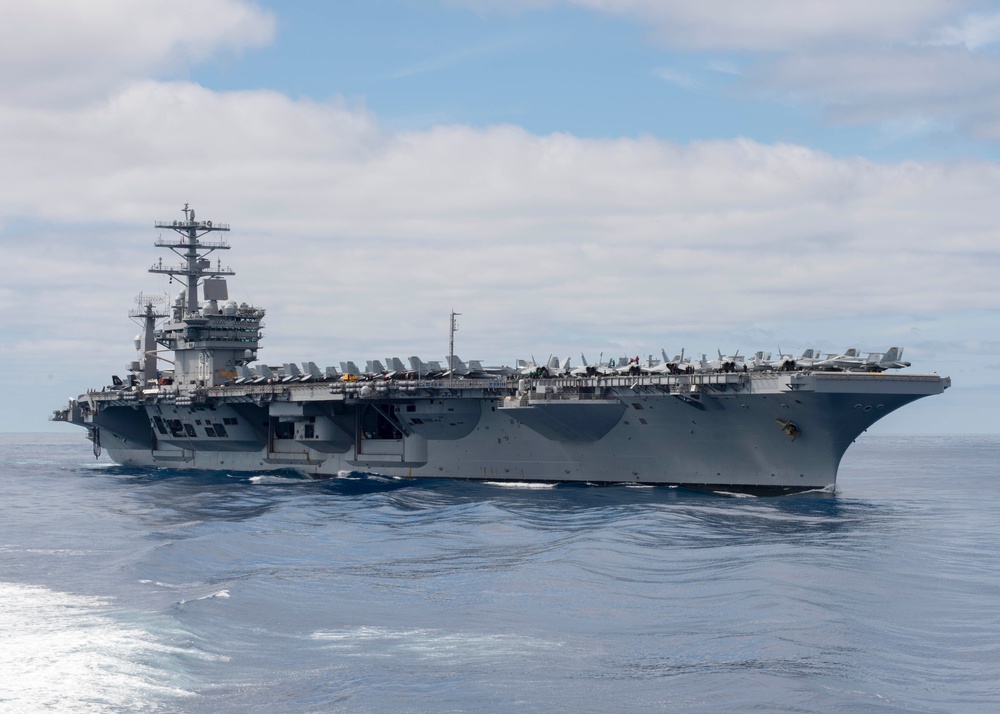
A supporting role
Military support to foreign disaster relief can include transportation, logistics, delivery of supplies, reconnaissance, and search and rescue. The Defense Security Cooperation Agency describes these activities as support provided when distinctive military capabilities are required. This is an important distinction: a military contribution forms part of a wider response, rather than automatically replacing the local authorities and civilian organizations already involved.
Capability must meet a need
A large aircraft or ship is useful when its capabilities match the situation and can be integrated into the response. The practical questions include what assistance is needed, where it must go, and how it will reach people after arrival. A cargo delivery is a meaningful step, but it is not the same as proving that every affected community has received help.
Read humanitarian reporting carefully
Look for an explanation of who requested assistance, what task was authorized, and how the military contribution connects to the broader effort. Distinguish a planned movement from a completed delivery and a completed delivery from a verified outcome. This approach allows readers to recognize valuable work while preserving attention to the people affected by the disaster. The strongest stories also acknowledge local capacity and recovery beyond the first dramatic images. Understanding the supporting role of military capabilities makes humanitarian coverage more accurate and more humane: it keeps the focus on solving a practical problem for communities rather than only showcasing the platform used.