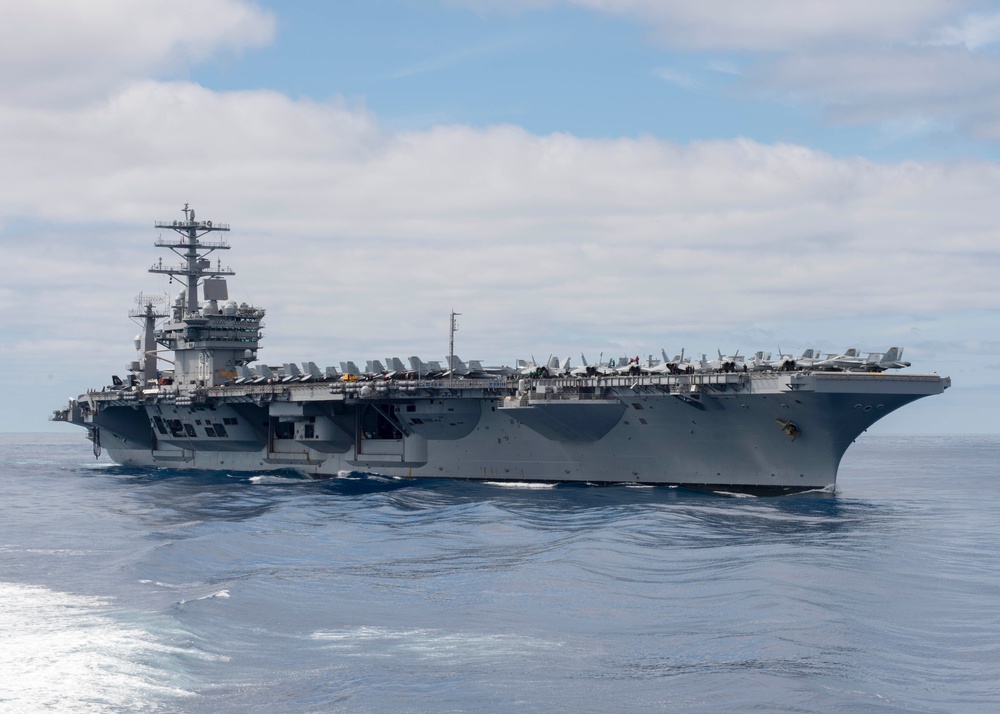
A pivotal carrier battle
The Battle of Midway in June 1942 marked a major reversal for Japan’s naval offensive in the Pacific. American forces lost the carrier Yorktown, while four Japanese carriers were lost. The result was not simply a comparison of ship totals. It also reflected the decisions, air operations, intelligence work, and sacrifices that shaped a battle fought across a vast maritime setting.
Information did not remove risk
American communications intelligence helped commanders understand Japanese intentions. Yet advance knowledge did not make the outcome automatic. Aircraft still had to find targets, crews had to carry out dangerous attacks, and commanders had to act amid incomplete information. The Navy’s historical account explicitly recognizes both uneven performance and the courage of the people involved. That combination makes Midway more instructive than a tidy story of inevitable victory.
How to study the battle
Begin with a reliable overview, then compare operational accounts, maps, and individual experiences. Keep the sequence of events separate from what participants knew at the time. A reader looking backward can see a pattern that was not available to the people making immediate decisions. Studying Midway this way encourages respect for evidence and avoids reducing a complex battle to a single clever move. It also shows how carrier aviation changed naval warfare: the aircraft and crews became central to encounters in which the opposing surface fleets did not need to meet within traditional gun range.