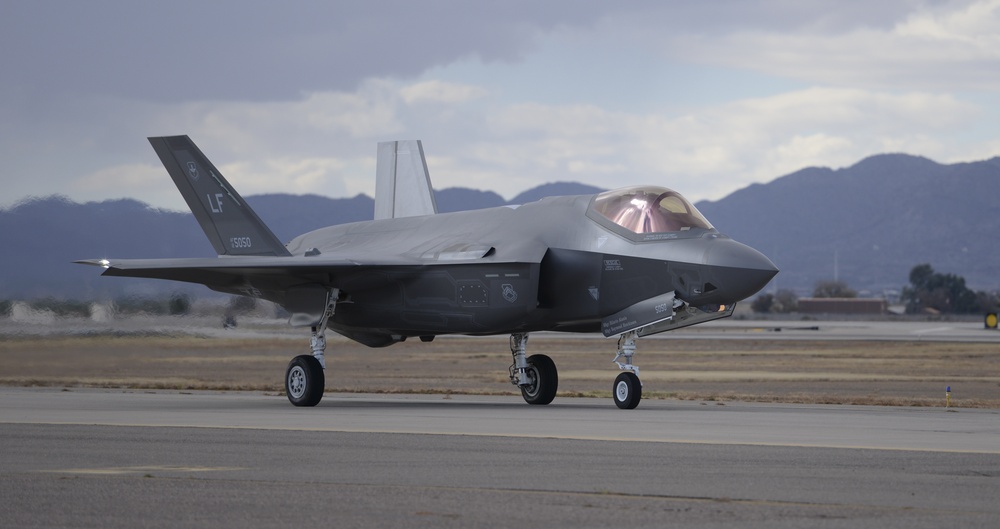
Different jobs in the air
The Air Force identifies core functions that include air superiority, global strike, rapid global mobility, intelligence, surveillance and reconnaissance, and command and control. These are different kinds of work, even when the same report groups them under the broad term airpower. Transporting supplies, observing an area, and protecting airspace require different combinations of aircraft, crews, planning, and support.
The work beyond flying
The service also emphasizes readiness, infrastructure, and its people. That is a reminder that an aircraft on a runway is only one visible part of a much larger organization. Public understanding improves when coverage includes the conditions needed to prepare a mission and support the airmen involved. A new aircraft’s appearance, by itself, says little about the whole system needed to operate it effectively.
How to assess a story
When reading an aviation announcement, identify the mission before comparing speed, range, or appearance. Ask what problem the capability is intended to address and which claims are confirmed. A training event may demonstrate a particular task without proving every possible operational claim about the aircraft. Similarly, an airlift photograph tells only part of the story if the destination’s needs and support arrangements remain unexplained. Thinking about airpower as a connected system makes aviation coverage more useful for civilian readers. It also opens a broader human story, bringing attention to technical, organizational, and support skills that deserve recognition alongside flying itself.