More than rescue
The Coast Guard’s mission includes maritime safety, security, and stewardship. Search and rescue is especially familiar to the public, but it is only part of the service’s work. Its responsibilities also include marine safety, aids to navigation, environmental protection, maritime law enforcement, and defense readiness. This breadth explains why Coast Guard stories can appear in sections ranging from national security to transportation and the environment.
A shared maritime setting
The missions connect through the waterways on which people work, travel, and trade. A navigation aid, a safety inspection, and a rescue response serve different immediate purposes, yet all concern how maritime activity can take place. The service’s historical materials trace its roots to revenue enforcement, illustrating how its responsibilities expanded as national needs changed. Its military identity exists alongside its distinctive law-enforcement and safety responsibilities.
Understanding the assignment
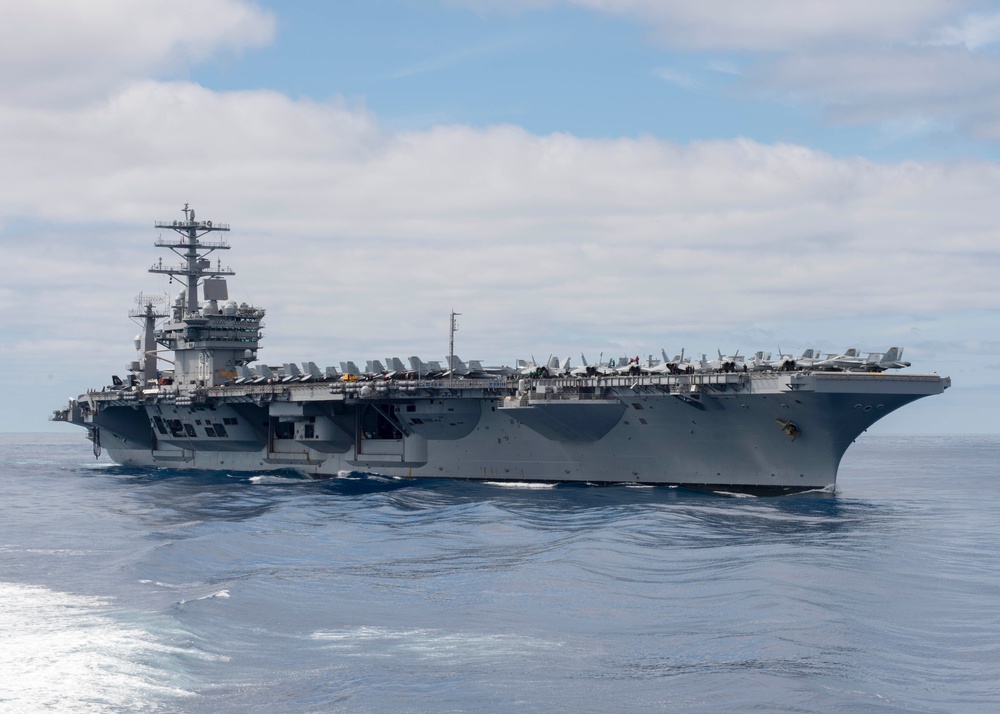
Readers should identify which mission is involved before drawing conclusions from a photograph of a cutter or helicopter. A vessel’s presence does not, on its own, establish that a rescue, enforcement action, or defense operation is underway. Look for the responsible command’s explanation and the limits of what has been released. This habit gives Coast Guard reporting a clearer structure and avoids collapsing many different jobs into one dramatic image. It also highlights an important civic connection: maritime security involves practical public services as well as defense, and the people performing those services often work where weather, distance, and human need intersect.