Why the sea matters
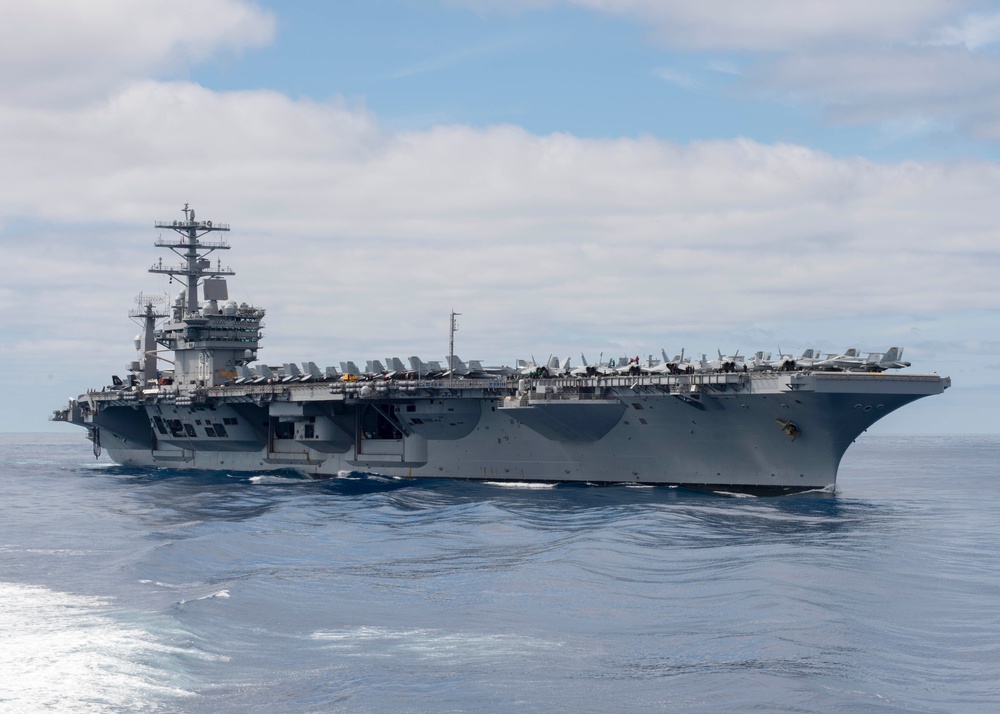
The Navy describes its mission in terms of protecting the United States at sea, supporting national interests, and working with allies and partners to keep maritime routes open. That framing matters because the ocean is more than a backdrop for warships. It is also a route for commerce, a space through which forces travel, and a setting where distant events can affect communities far from the coast.
A connected service
Naval coverage often centers on a particular ship, but readers should consider the wider organization around it. A vessel’s usefulness depends on its people, assigned role, supporting infrastructure, and relationship with other forces. Naval aviation and undersea operations add further dimensions to a service commonly pictured only as surface ships. The most informative reporting explains what these different elements contribute rather than treating every ship as interchangeable.
Questions for readers
To understand a naval story, start with geography and purpose. Where is the activity taking place? Is the report describing training, presence, cooperation, or an operational task? What does the source actually confirm? These questions prevent a routine movement from becoming an unsupported prediction about a crisis. They also make room for the less visible human work behind operations. A strong account of maritime affairs should connect the mission to the crews carrying it out, the partners involved, and the practical challenge of operating across distance. That is a richer definition of sea power than a simple count of ships.